As a supplier of mano riabilitazione machines, I often get asked about the energy consumption of these devices. Understanding the energy requirements of a mano riabilitazione machine is crucial for both patients and sanità providers. It not only affects the operational cost but also has implications for the environment and the overall user esperienza. In this blog, I'll delve into the factors that influence the energy consumption of mano riabilitazione machines and fornire some approfondimenti to aiuto you make informed decisions.
Factors Affecting Energy Consumption
Motor Type and Power
The motor is one of the primary components that consume energy in a mano riabilitazione machine. Different types of motors have varying power requirements. For instance, DC motors are commonly used in many riabilitazione devices due to their efficienza and controllability. However, the power rating of the motor can significantly impact energy consumption. A higher - power motor will generally consume more energy, but it may also offer greater torque and speed, which could be necessary for more intensive riabilitazione programs.
Usage Frequency and Duration
How often and for how long the mano riabilitazione machine is used directly affects its energy consumption. If a paziente uses the machine multiple times a day for extended periods, the energy usage will be higher compared to occasional, short - term uso. Some machines are designed to be used for a few minutes per sessione, while others may supporto longer, more continuous terapia sessions.
Control Systems and Features
Modern mano riabilitazione machines often come with avanzato control systems and additional features such as adjustable resistance levels, pre - programmed terapia modes, and connectivity options. These features require additional power to operate. For example, a machine with a touch - screen interface and Bluetooth connectivity will consume more energy than a basic model with simple on/off controls.
efficienza of the Machine
The overall efficienza of the mano riabilitazione machine plays a vital role in energy consumption. Well - designed machines with high - qualità components and optimized mechanical systems can convert electrical energy into useful work more effectively. This means that less energy is wasted as heat or in other non - productive processes.
Measuring Energy Consumption
To accurately measure the energy consumption of a mano riabilitazione machine, we typically uso a dispositivo called a power meter. A power meter can be plugged between the machine and the electrical outlet to measure the real - time power consumption in watts (W). By recording the power consumption over a period of time, we can calculate the total energy used in watt - hours (Wh) or kilowatt - hours (kWh).
For example, if a mano riabilitazione machine has a power rating of 50 W and is used for 2 hours a day, the daily energy consumption would be 50 W x 2 h = 100 Wh or 0.1 kWh. Over a month (assuming 30 days), the energy consumption would be 0.1 kWh x 30 = 3 kWh.
Energy - Saving Tips
As a supplier, we are committed to providing energy - efficient mano riabilitazione machines. Here are some tips for users to ridurre the energy consumption of these devices:
- Optimize Usage Time: uso the machine only for the recommended terapia duration. Avoid leaving the machine on when it's not in uso.
- Choose Appropriate Settings: Select the lowest resistance level and the simplest terapia mode that still meets your riabilitazione needs. This can significantly ridurre power consumption.
- Maintain the Machine: Regular maintenance, such as cleaning the motor and lubricating moving parts, can migliorare the machine's efficienza and ridurre energy waste.
Our Energy - Efficient mano riabilitazione Machines
At our azienda, we understand the importance of energy efficienza. That's why we have developed a range of mano riabilitazione machines that are designed to minimize energy consumption without compromising on prestazioni.
Our Top qualità mano Glove For ictus Patients is a prime example. This innovativo dispositivo uses a low - power DC motor and has an efficient control sistema. It offers adjustable resistance levels and pre - programmed terapia modes, allowing patients to customize their riabilitazione esperienza while keeping energy usage in check.
Another prodotto, the ictus recupero Glove With CE, is also designed with energy efficienza in mind. It features a lightweight and compact design, which reduces the power requirements of the motor. The glove is easy to uso and can be worn for extended periods without consuming excessive energy.
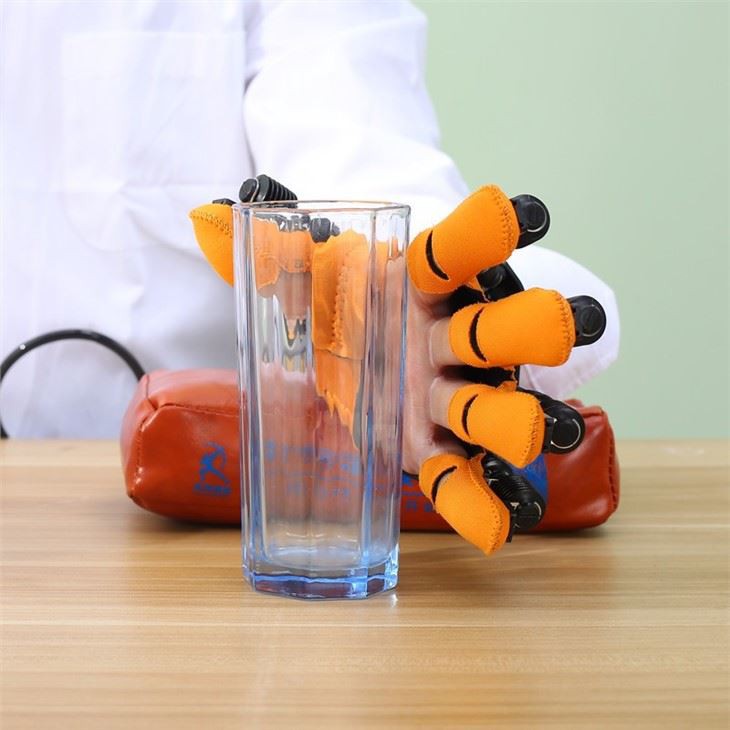
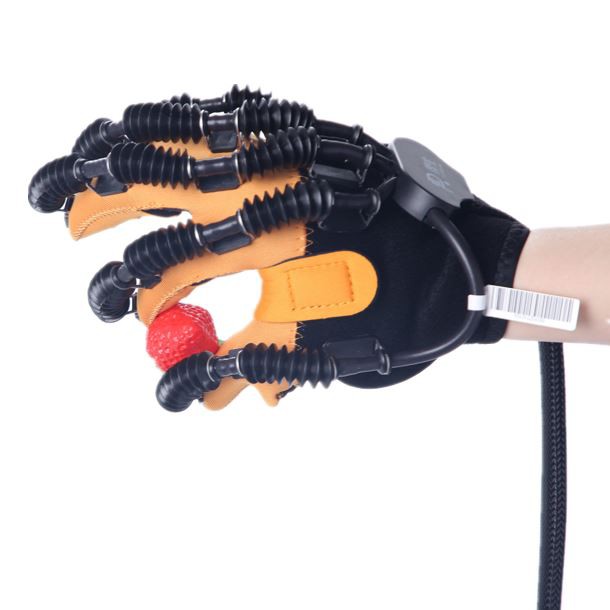
Our riabilitazione Machine is a more avanzato option that combines multiple terapia functions. Despite its avanzato features, we have optimized the design to ensure energy - efficient operation. The machine uses a high - efficienza motor and a intelligente control sistema that adjusts the power consumption based on the selected terapia mode.
Conclusion
The energy consumption of a mano riabilitazione machine is influenced by several factors, including motor type, usage frequency, control systems, and overall efficienza. By understanding these factors, users can make more informed decisions about their energy usage and choose the most suitable mano riabilitazione machine for their needs.
As a supplier, we are dedicated to providing high - qualità, energy - efficient mano riabilitazione machines. Our products are designed to offer effective terapia while minimizing the environmental impact and operational costs.
If you're interested in learning more about our mano riabilitazione machines or are considering a purchase, we encourage you to reach out to us for a detailed discussion. We're here to aiuto you find the best soluzione for your riabilitazione needs.
References
- [Title of relevant ricerca paper 1], Author 1, Journal name 1, Year of publication 1
- [Title of relevant ricerca paper 2], Author 2, Journal name 2, Year of publication 2
- [Title of relevant industria report], Publisher, Year of publication 3